
Guidelines, Good Practices, and Permits
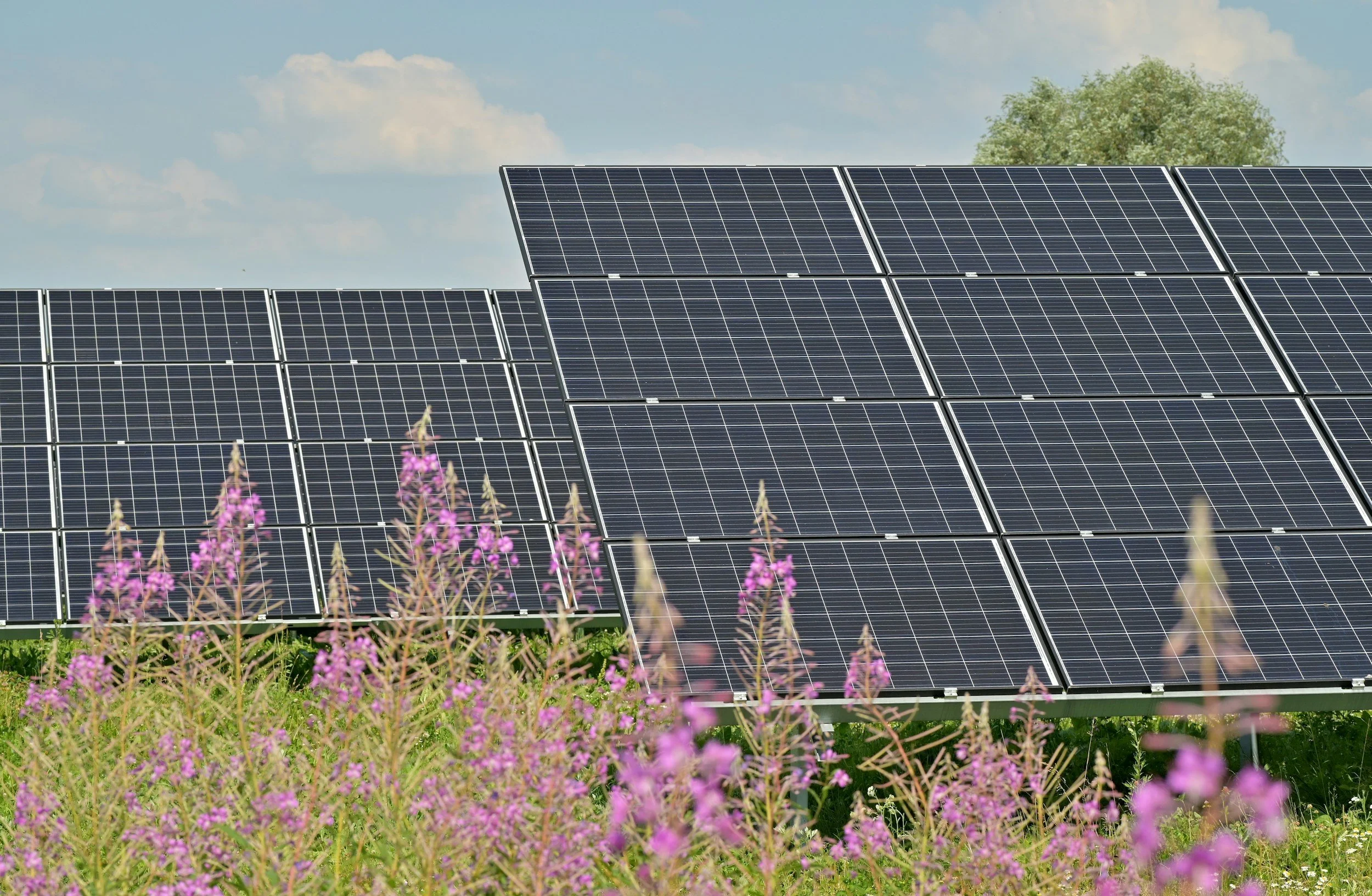
Finding a good solar site isn’t always easy. There are many factors to consider – the most important being if the site faces south, providing adequate access to the sun. Other considerations are also important, such as avoiding or minimizing impacts to prime agricultural lands, wetlands, floodplains, prime recreational lands, ecologically and archeologically sensitive areas, scenic view sheds and important community vistas.
A solid understanding of and sensitivity to helping site projects in a location that meets permit parameters and embodies a “good neighbor policy” that balances different goals and interests can help to expedite projects (a.k.a. good sites = faster permitting = happier communities and developers).
It can also help avoid public push back and broaden public support for solar, which is good for people’s pocketbooks and the planet. The Energy Atlas on the Community Energy Dashboard can help you identify, analyze, and map existing and promising locations for renewable energy and energy efficiency projects.
The Energy Atlas was developed with support from the U.S. Department of Energy, and is updated quarterly from publicly available Certificates of Public Good.